If your buyer is using an SBA loan, the new SBA loan rules that took effect October 1, 2026 change how much the bank will lend and how your seller note is counted. This episode breaks down the four changes that matter most to sellers: a required quality of earnings on deals of $3M or more, a 1.25 debt service coverage minimum, stricter treatment of seller notes, and new limits on where the buyer’s cash comes from. You will learn how to prepare your numbers before a buyer’s team tests them and how to structure a deal the bank will still finance.
Expect a third party to test your earnings: On SBA deals with a purchase price of $3M or more, the bank must now underwrite to a quality of earnings rather than to your tax returns alone. If that review changes the numbers late, the loan amount or the deal itself may have to change.
Get your own QoE before you go to market: A prep QoE finds bookkeeping problems while you still have time to fix or restate them, so you know the EBITDA the buyer’s accountant is likely to validate. Skipping it leaves you exposed to surprises in your valuation and in how much a buyer can borrow.
Build an equipment schedule if you run vehicles or equipment: The QoE provider will deduct a normal annual cost to maintain and replace equipment, even when depreciation is added back. Preparing that schedule yourself avoids a surprise, because the estimate can swing cash flow dramatically.
Do not count on a seller note to close a price gap: Unless the note is on full standby, with no payments until the SBA loan is repaid, the bank must count its payments in the 1.25 coverage test. A note with a delayed start is tested on its full payment, and one amortized past 10 years is tested at 10.
Expect fewer SBA buyers on larger deals: Buyers must now put in at least 5% of the price from their own funds, with the rest of the 10% from minority investors or a full standby seller note. Heather sees this shrinking the buyer pool as prices approach $4M to $6M.
Topics Covered
Why the SBA now requires a quality of earnings on deals of $3M or more [02:57]
What the QoE must test, from add-backs to customer deposits and maintenance capex [08:36]
Why a pre-market QoE is an investment rather than an expense [14:09]
Why SBA acquisition loans default less than other SBA loans [18:58]
How the 1.25 debt service coverage rule now counts your seller note [23:16]
How coverage and the buyer’s salary cap what an SBA buyer can pay [27:12]
Personal guarantee insurance, and the guarantee you sign if you keep a stake [28:38]
Why a seller note no longer bridges a valuation gap [34:36]
How the 5% buyer cash rule shrinks the buyer pool on larger deals [35:57]
This episode provides general information only and does not constitute legal, tax, accounting, or other professional advice. The guest’s views are her own and do not necessarily reflect the views of Morgan & Westfield.
Meet Our Guest
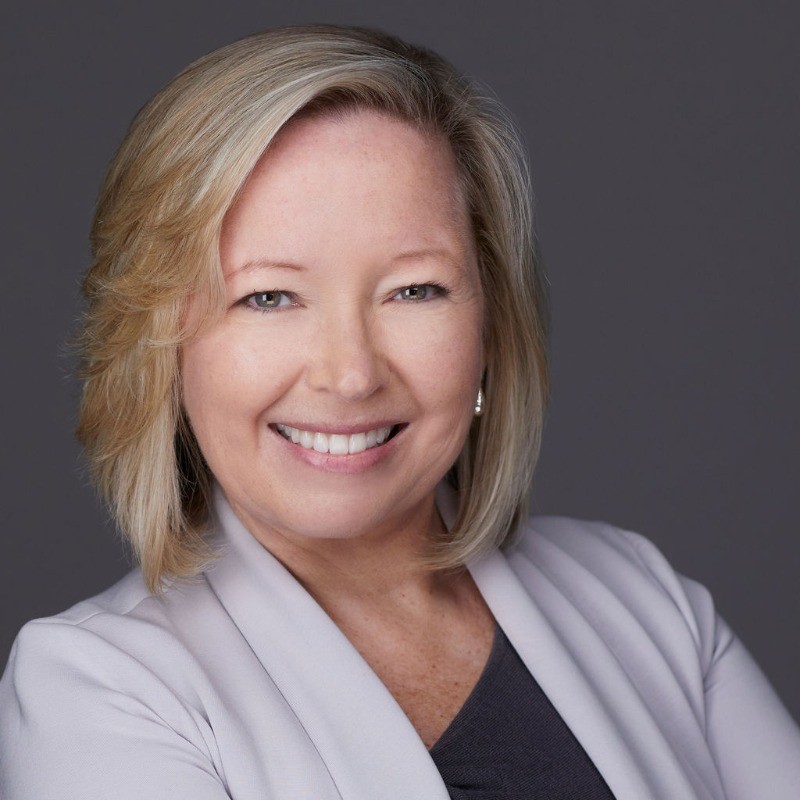
Heather Endresen
Founder, Viso Business Capital
Heather Endresen is the founder of Viso Business Capital, which helps business buyers find the right lender, structure acquisition financing, and manage the loan through closing. She has more than 30 years of banking experience, including leadership roles at community, regional, and national banks such as Citibank. Before founding Viso, she spent six years with one of the country’s largest SBA lenders, producing more than $100M in loans a year.
You’ve invested your blood, sweat, and tears into an enterprise that has provided for you, your family and your employees. The moment has finally come for you to start a new chapter in your life. Explore your options now.
 Who We Are
 What We Do
 Our Experience
 Businesses for Sale by Morgan & Westfield
 Buyer’s Guide
 Industrial & Trade
 Text
 Audio
 Other Resources
 Let’s Talk
 LinkedIn:
 Website: